Myth-Busting: Organic Coffee vs. Conventional Coffee


Understanding Organic Coffee
Many coffee lovers are switching to organic coffee, but what exactly does "organic" mean? In essence, organic coffee is grown without synthetic fertilizers or pesticides. This distinction is not just a marketing ploy; it represents a commitment to environmental sustainability and health.
The organic certification process is rigorous. Farmers must adhere to strict guidelines, including crop rotation and natural pest control methods. This ensures that the coffee beans are grown in a way that is beneficial to both the environment and consumers.
Conventional Coffee Practices
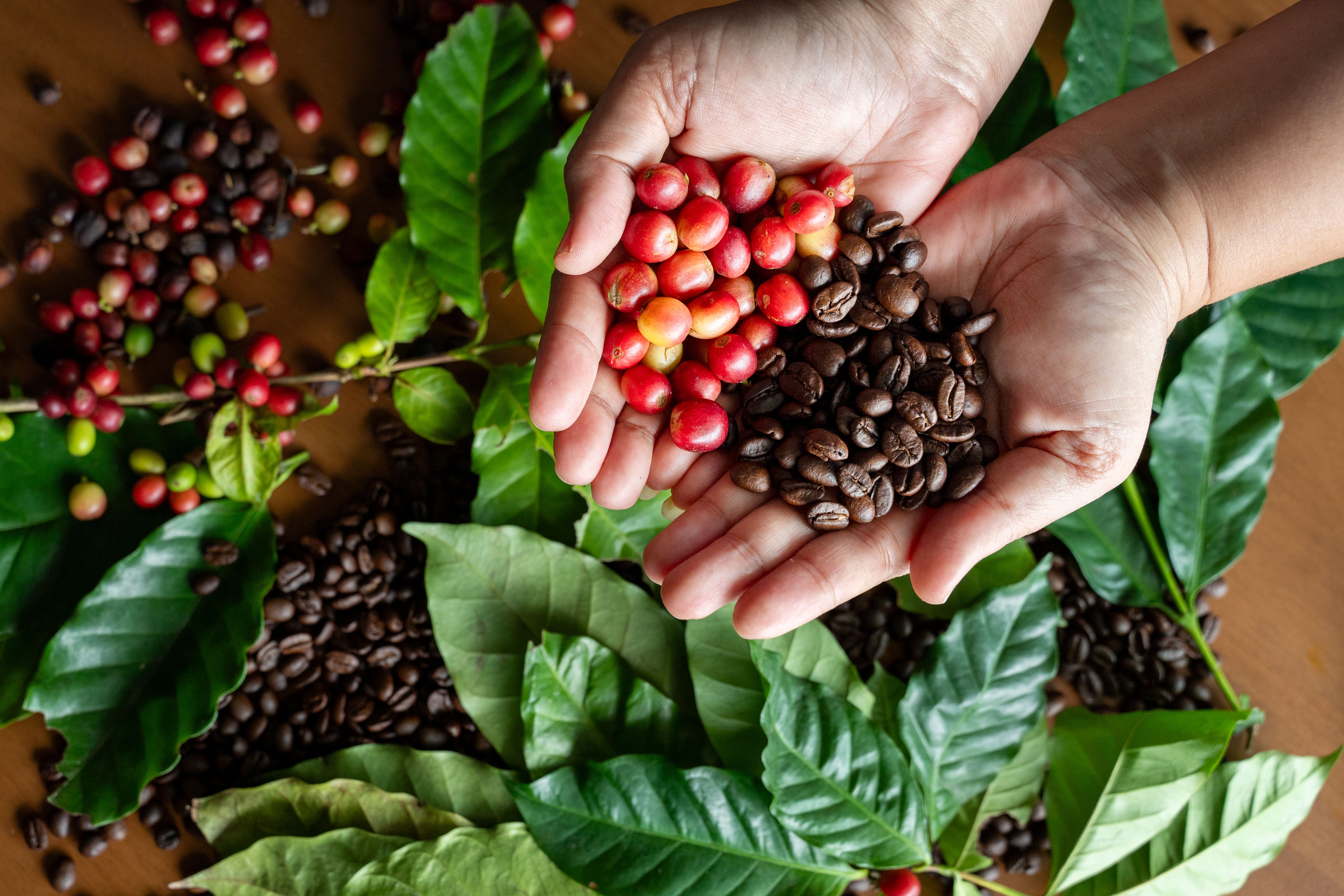
Conventional coffee farming often involves the use of synthetic fertilizers and pesticides. These practices can lead to higher yields and lower costs, which is beneficial for mass production. However, they also raise concerns about environmental impact and potential health effects.
One of the main criticisms of conventional coffee is the heavy use of chemicals, which can leach into the soil and waterways. This not only affects the local ecosystem but also the communities that rely on these resources. Additionally, some argue that the taste profile of coffee can be altered by these farming methods.
Myth: Organic Coffee is Always Better
It's a common belief that organic coffee is inherently superior to conventional coffee. While organic farming practices are environmentally friendly, this doesn't automatically mean the coffee will taste better or be of higher quality.
The flavor and quality of coffee are influenced by many factors, including the region where it is grown, the altitude, and the processing methods used. Organic certification does not guarantee that the coffee meets specific taste standards, so it's essential to consider these factors when choosing your brew.

Health Implications
Another myth is that organic coffee is significantly healthier than conventional coffee. While it's true that organic coffee is free from synthetic chemicals, the health benefits largely depend on your overall diet and lifestyle.
Both organic and conventional coffees contain antioxidants and nutrients that can be beneficial to your health. The difference lies in the potential exposure to pesticide residues. If minimizing chemical exposure is a priority for you, opting for organic might be the better choice.
Cost Considerations
Organic coffee often comes with a higher price tag, leading some to question whether it's worth the extra cost. The price difference is mainly due to the more labor-intensive farming practices and certification fees associated with organic farming.
For many, the environmental benefits and the support of sustainable farming practices justify the cost. However, the decision ultimately depends on personal values and budget constraints.
Conclusion: Making the Right Choice
Choosing between organic and conventional coffee involves weighing various factors. Consider your priorities: environmental impact, health concerns, taste, and budget. There is no one-size-fits-all answer, but being informed can help you make the best decision for your lifestyle.
Whether you prefer organic or conventional coffee, the most important thing is to enjoy the experience and savor each cup. After all, coffee is more than just a beverage; it's a moment of pleasure and connection.