Myth-Busting: Common Misconceptions About Organic Coffee


Understanding Organic Coffee
Organic coffee has gained popularity over the years, but with its rise, several misconceptions have also emerged. It's essential to debunk these myths to appreciate the true value of organic coffee. In this post, we’ll explore some common misunderstandings and set the record straight.
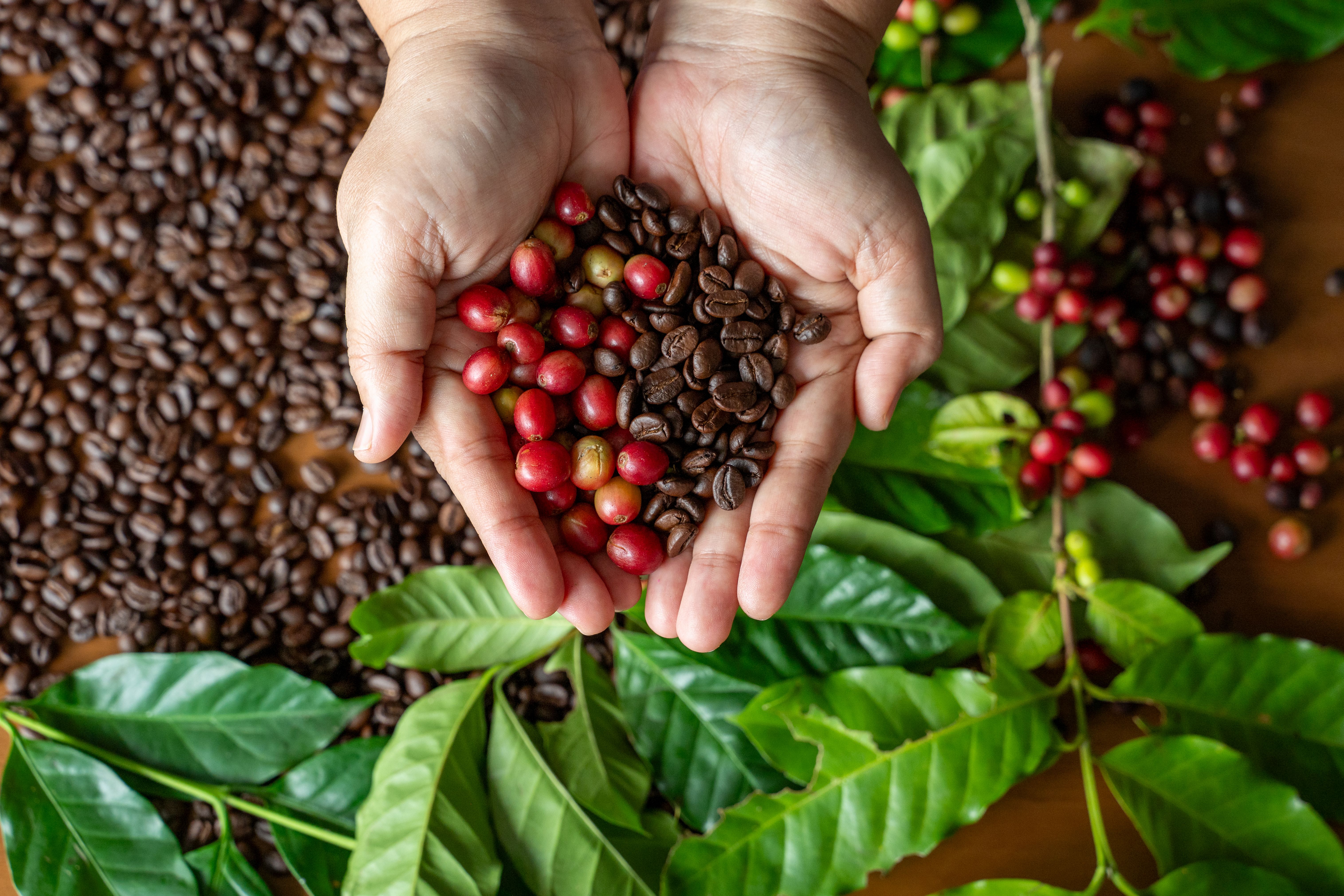
Myth 1: Organic Coffee Lacks Flavor
A common misconception is that organic coffee is bland or lacks the intense flavors of its non-organic counterparts. In reality, the taste of coffee depends on several factors, including the region where it's grown, the roasting process, and the coffee bean variety. Organic coffee can offer rich and diverse flavors, often providing a more authentic taste because it's grown without synthetic chemicals.
Myth 2: It’s Just a Marketing Gimmick
Some believe that the organic label is merely a marketing ploy to charge higher prices. However, organic certification requires farmers to adhere to strict agricultural practices, such as avoiding synthetic pesticides and fertilizers. This commitment not only benefits the environment but also promotes healthier soil and biodiversity, contributing to the sustainability of coffee farming.

Myth 3: Organic Coffee is Always Better for the Environment
While organic farming practices are generally more sustainable, not all organic coffee is created equal. The environmental impact can vary based on farming methods and location. It's crucial to consider the entire supply chain, from cultivation to distribution, to ensure that the coffee you enjoy is truly eco-friendly.
Myth 4: Organic Coffee is Always Healthier
Many assume that organic coffee is inherently healthier. While it is free of synthetic additives, the health benefits depend on individual consumption habits. Moderation is key, as excessive coffee consumption, organic or not, can lead to health issues. However, choosing organic ensures you're not ingesting harmful chemicals.

Myth 5: All Organic Coffee Tastes the Same
Another myth is that all organic coffee has a uniform taste. In fact, organic coffee offers a vast range of flavors, influenced by the beans' origin, altitude, and processing methods. Whether you prefer a fruity Ethiopian blend or a robust Colombian roast, there's an organic coffee to suit every palate.
Conclusion: The Truth About Organic Coffee
By debunking these myths, we hope to enhance your understanding of organic coffee. It's not just about a label; it's about quality, sustainability, and choice. Next time you savor your cup of organic coffee, appreciate the journey from bean to brew, knowing the genuine benefits it offers.